
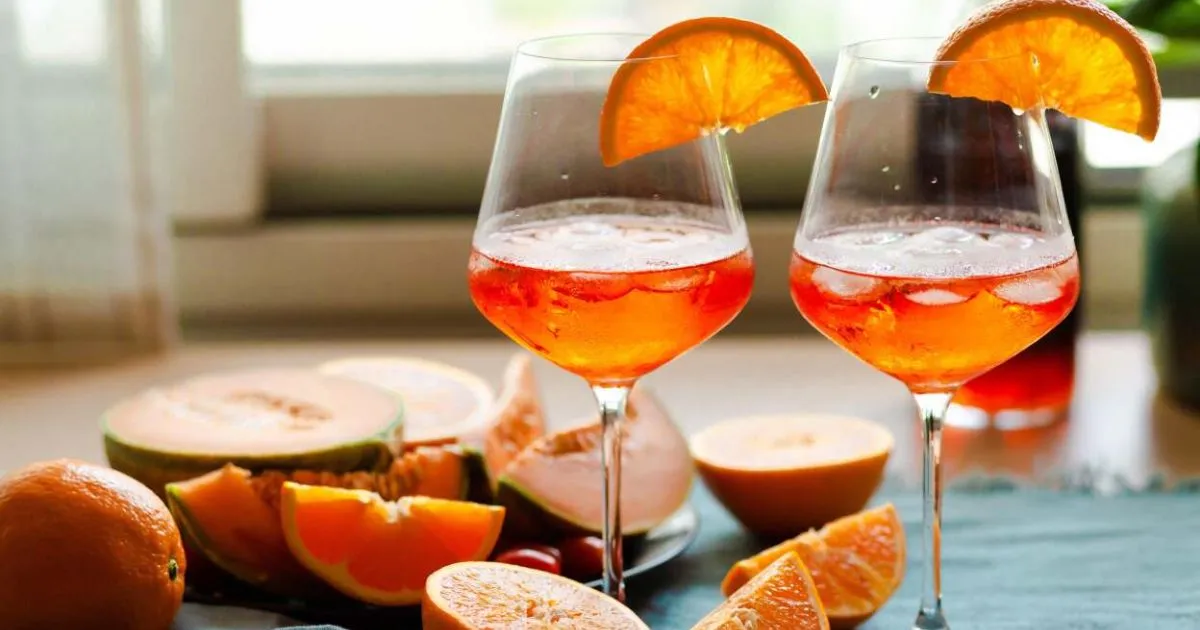
Orange Wine Guide History Taste and Food Pairing
Orange wine is one of the most intriguing trends in the world of wine. Unlike traditional red, white, and rosé wines, orange wine offers a completely different experience, beloved by adventurous wine lovers and praised by sommeliers. With its bright amber color, bold flavors, ancient history, and remarkable food-pairing versatility, orange wine has become a global favorite among travelers, gourmets, and wine enthusiasts.
What Is Orange Wine?
Despite its name, orange wine is not made from oranges. It is produced from white grapes that are fermented with their skins, seeds, and sometimes stems—a process called skin-contact fermentation. This technique is common in red wine production but rare for whites, resulting in the wine’s distinctive color and flavor.
Other names for orange wine include:
- Wine on skin
- Amber wine
- White wine, macerated
The Ancient History of Orange Wine
Orange wine is far from a modern trend—its history stretches back 8,000 years to Georgia, the birthplace of wine. Ancient winemakers in Georgia fermented grapes in large clay vessels called qvevri, buried underground, a method still practiced today and recognized by UNESCO.
Key Features of Traditional Georgian Wine:
- Natural fermentation
- Long skin contact
- Aging in clay vessels
- Minimal intervention techniques
- Native grape varieties
This ancient process yields wines of remarkable complexity and depth.
The Modern Revival of Orange Wine
The orange wine revival began in the late 20th century in northeastern Italy and neighboring Slovenia, where winemakers embraced ancient skin-contact techniques.
Regions leading the revival:
- Friuli Venezia Giulia, Italy
- Goriška Brda, Slovenia
- Collio Wine Area
A pivotal figure was Josko Gravner, who adopted the Georgian qvevri method and inspired a new wave of producers worldwide. Today, orange wine is produced in:
- Italy
- Georgia
- Slovenia
- France
- Spain
- Australia
- New Zealand
- South Africa
- United States
How Is Orange Wine Produced?
Traditional White Wine Making
- Grapes are picked (white varieties).
- Skins are removed immediately.
- Juice is fermented separately, producing a light and fresh wine.
Orange Wine Production
- White grapes are harvested and crushed.
- Juice remains in contact with skins and seeds during fermentation.
- Duration of skin contact ranges from 12 hours to several months (sometimes up to a year).
- The longer the skin contact, the deeper and more structured the wine.
Color compounds (polyphenols, tannins, carotenoids) from the skins give orange wine its iconic golden yellow to deep amber hue.
What Does Orange Wine Taste Like?
Orange wine offers more complex textures and deeper flavors than traditional whites.
Typical Tasting Notes:
- Fruit flavors: orange peel, apricot, peach, dehydrated apple, citrus zest
- Other notes: nuts, tea leaves, herbs, honey, dried flowers, earthy, spice, mineral, wood, tobacco
- Texture: medium to full-bodied, perceptible tannins, vivid acidity, long finish
It is often described as being “in the middle” of white and red wine.
Popular Grape Varieties for Orange Wine
Common grape varieties include:
- Rkatsiteli (Georgia)
- Saperavi (Georgia)
- Ribolla Gialla (Italy, Slovenia)
- Pinot Grigio (for copper-hued “Ramato” wines)
- Sauvignon Blanc (Australia)
- Muscat (Oman)
- Friulano (northeast Italy)
Each grape brings its own unique character to the wine.
Food Pairings for Orange Wine
Orange wine’s exceptional versatility makes it a hit at the table.
Meat Entrees:
- Roast chicken
- Lamb
- Pork belly
- Duck
- Seafood (especially grilled salmon, tuna, octopus, shellfish)
Cheese:
- Aged cheddar
- Manchego
- Pecorino
- Blue cheese
International Cuisine:
- Indian curries
- Moroccan tagines
- Spanish paella
- Chinese roast pork
- Middle Eastern dishes
Acidity and tannins help orange wine pair exceptionally well with bold spices.
Serving Orange Wine
Best Temperature:
- Serve chilled: 12–14°C (55–58°F)
- Too cold mutes the flavors; too warm makes tannins overpowering.
Decanting:
- Many orange wines benefit from 15–30 minutes of aeration or decanting to soften tannins and release aromas.
Glassware:
- Use a larger glass, like a red wine glass, to allow aromas to develop fully.
Is Orange Wine Natural?
Not always. While many orange wines are made with organic or biodynamic methods and wild yeast, some use modern techniques. The defining feature of orange wine is skin-contact fermentation, not necessarily the farming philosophy.
Why Is Orange Wine Trending?
Popular reasons for orange wine’s rise:
- Distinct flavor
- Historical authenticity
- Versatile food pairing
- Interest in natural wine
- Social media appeal
- Handcrafted techniques
Orange wines are now common on wine bar and restaurant menus worldwide.
Advantages of Trying Orange Wine
Orange wine is beloved because it offers:
- Complexity
- New tasting experiences
- Historical significance
- Wide food compatibility
- Cultural discovery
Travelers visiting wine regions can gain insight into ancient winemaking traditions
Conclusion
Orange wine is one of the most exciting and oldest styles in the wine world. With its rich traditions and modern appeal, it offers bold flavors, amber hues, fascinating history, and excellent food-pairing abilities. Whether you’re a seasoned wine lover or curious about new trends, orange wine is a rewarding style to explore in 2026 and beyond.
FAQ
Q1.What is orange wine?
Ans.Made from white grapes with skin-contact fermentation.
Q2.Does it contain oranges?
Ans No, it’s made only from grapes.
Q3.Is orange wine sweet?
Ans Most are dry, though some can be slightly sweet.
Q4.Is orange wine stronger than white wine?
Ans Alcohol levels are generally similar to other wines.
Q5.What pairs well with orange wine?
Ans Curries, roasted meats, aged cheeses, seafood, Mediterranean dishes.
Q6.Where did orange wine originate?
Ans Georgia, over 8,000 years ago.
Q7.Is orange wine healthy?
Ans Moderate consumption may provide antioxidants, like other wines.
Q8.Why is orange wine expensive?
Ans Many are produced in small batches using labor-intensive traditional methods.