Mexico Cenotes Guide Things to Do and Tips
One of the most unique natural attractions in the world is a cenote, which is mostly found in Mexico’s Yucatan Peninsula. When limestone collapsed and exposed underground rivers, these natural sinkholes filled with crystal-clear freshwater were formed thousands of years ago. Cenotes are now one of the most popular tourist spots for people who want to swim, snorkel, dive, and learn about the culture.
Cenotes are magical places, from open-air pools surrounded by jungle to dark caves full of stalactites. If you’re going to Mexico for a vacation, an adventure, or just to relax, you should definitely go to a cenote.
What is a Cenote?
A cenote is a natural freshwater sinkhole that forms when limestone bedrock falls apart and shows the groundwater below. These pools are very common in Mexico and link to underground river systems.
Different Kinds of Cenotes
• Cenotes that are open to the sun
• Semi-open cenotes with some cave cover
• Cave cenotes are completely underground.
• Cenotes in the style of a lagoon, with jungle all around them
Each type gives you a different travel experience, from relaxing swimming to exciting cave diving.
History and Culture of Cenotes
Cenotes were very important to the ancient Mayan civilization. The Maya thought that cenotes were holy doors to the underworld. People used these natural pools for ceremonies and rituals and to get water.
Cenotes’ Cultural Importance
• Places of worship for the ancient Mayans
• Used for ceremonies and gifts
• A major source of fresh water
• A spiritual link to nature
• Archaeological finds from the past
Some cenotes still have old tools, pottery, and ceremonial remains in them. People go to cenotes today not just to swim, but also to learn about history and culture.
Cenote Areas in Mexico
The Yucatan Peninsula is home to most cenotes. Each area has its own special cenote experiences.
Cenotes in Tulum
People know Tulum for its cenotes in the jungle and clear water.
Famous Tulum Cenotes
• Gran Cenote
• Calavera Cenote
• Cenote Dos Ojos
• Carwash at Cenote
• Cenote Zacil Ha
Tulum cenotes are great for swimming, snorkeling, and taking pictures.
Cenotes in Playa del Carmen
Playa del Carmen is between Cancun and Tulum, and it’s easy to get to a lot of cenotes from there.
The Best Cenotes in Playa del Carmen
• Cenote Azul
• Cenote Jardin del Eden
• Cenote Cristalino
• Cenote Chaak Tun
• Cenote Tajma Ha
These cenotes are great for families and people who are just learning to swim.
Cenotes in Cancun
It’s easy to visit Cancun cenotes on day trips because they are close to resorts.
Best Cenotes in Cancun
• Cenote Verde Lucero
• Cenote La Noria
• Cenote Zapote
• Cenote Kin Ha
• Cenote Las Mojarras
Cenotes in Valladolid
Valladolid has cenotes that are less crowded and more natural.
The Best Cenotes in Valladolid
• Cenote Suytun
• Cenote Samula
• Cenote Xkeken
• Cenote Oxman
• Cenote Zaci These cenotes in Mexico are some of the most beautiful to take pictures of.
Cenotes You Should Visit
These are some of the most well-known cenotes that travelers should see.
Gran Cenote
One of the most popular cenotes, with caves and clear water. Great for swimming and snorkeling.
Main Points
• Seeing turtles
• Platforms made of wood
• Areas that are both shallow and deep
• Good for families
Cenote Dos Ojos
Famous for cave diving and seeing underwater.
Main Points
• Caves that are underground
• Swimming with a snorkel
• Diving with scuba gear
• Water that is crystal clear
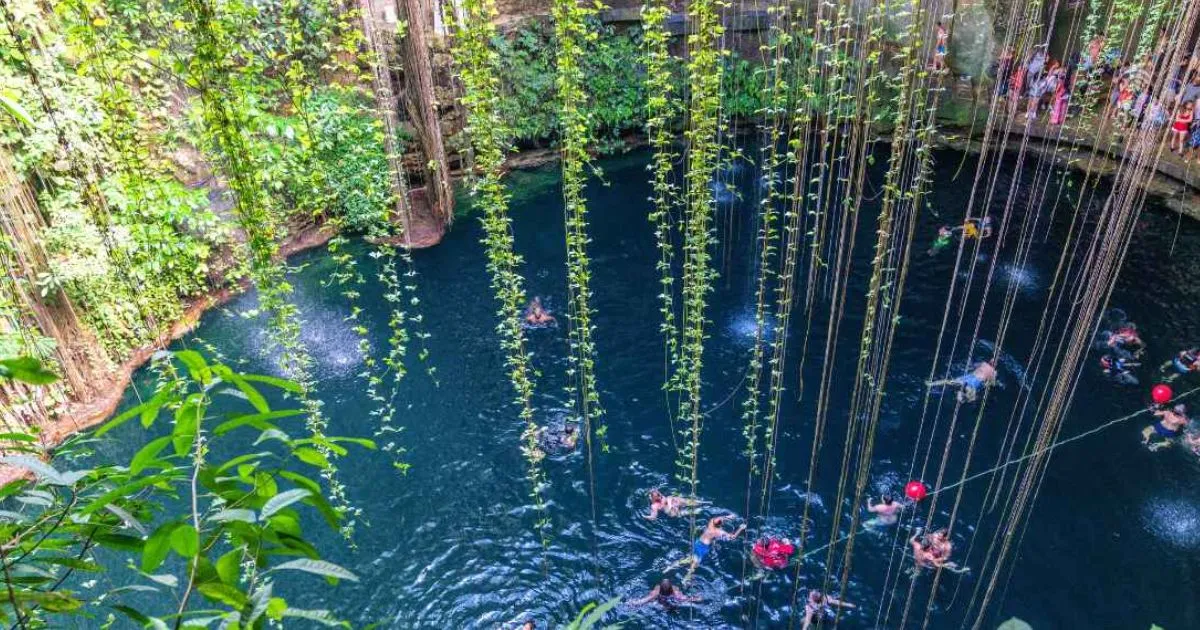
Ik Kil Cenote
One of the most famous cenotes close to Chichen Itza.
Key Points
• Circular cenote that is open
• Vines that hang
• A deep area for swimming
• A place that many tourists go
Cenote Suytun
Known for its Instagram photos and views of light beams.
Main Points
• Cenote in a cave
• Platform made of stone
• Place to take pictures
• Peaceful setting
Cenote Azul
A big open cenote with a lot of places to swim.
Key Points
• Jumping off cliffs
• Water that isn’t very deep
• Good for families
• Easy to see
Things to Do in Cenotes
Cenotes are good for more than just swimming. There are a lot of things to do for visitors.
Most Fun Things to Do
• Swimming in pools with fresh water
• Swimming with fish
• Caves for scuba diving
• Jumping off cliffs
• Taking pictures
• Taking it easy in the jungle
• Kayaking and floating
• Exploring caves
• Looking for wildlife
Cave diving and snorkeling in underground rivers are two things that adventure travelers love to do.
When is the Best Time to Go to Cenotes?
You can go to cenotes any time of year, but some months are better than others.
From November to April
• The best weather
• Not as much humidity
• Water that is clear
May through August
• Hot weather
• Good for swimming
• More people
From September to October
• Fewer tourists
• Good for your wallet
• Rain every now and then
The best time to go to cenotes is in the morning when there are fewer people and better light.
How to Get to Cenotes
There are many ways to see cenotes.
Ways to Get Around
• Get a rental car
• Tours with a guide
• Services for taxis
• Renting a scooter
• Rent a bike near towns
Renting a car lets you go to cenotes more easily.
Travel Tips for Cenotes
Important things to know before going to cenotes.
• Get there early in the morning
• Bring sunscreen that breaks down in the environment.
• Put on water shoes
• Bring money for entrance fees
• Bring gear for snorkeling
• Follow the rules of nature.
• Don’t touch formations.
• Take a shower before going into the water.
• Bring a camera that won’t get wet.
These tips will help you protect cenotes and have a better trip.
Fees for Entering Cenotes
Most cenotes charge a fee to get in.
Prices that are Normal
• Budget cenotes cost between $5 and $10.
• Cenotes that are popular cost between $10 and $20.
• High-end cenotes cost between 20 and 40 USD.
Some cenotes also cost more for
• Life jackets
• Lockers
• Gear for snorkeling
• Tours with a guide
Example of a Cenote Itinerary
Tour of the Cenote for One Day
In the morning, Gran Cenote and Cenote Calavera
Afternoon Cenote Dos Ojos and Cenote Carwash.
Evening: Take it easy in Tulum Town.
Two-Day Trip to the Cenote
Day 1: Cenotes in Tulum
Gran Cenote
Dos Ojos Calavera
Day 2: Valladolid cenotes
Suytun Samula Xkeken
What Makes Cenotes Special?
Cenotes are not the same as beaches, lakes, or rivers.
Special Features
• Rivers that flow underground
• Water that is crystal clear
• Caves made of natural limestone
• The history of the ancient Mayans
• In the jungle
• Swimming in fresh water
• Chances to go cave diving
Cenotes are one of the most unique natural attractions in the world because of these things.
What to Bring on Your Trip to Cenote
Things you need to bring when you visit cenotes.
• Bathing suit
• Towel
• Shoes for the water
• Gear for snorkeling
• Bag that won’t get wet
• Camera or GoPro
• Money
• Water to drink
• Getting new clothes
Safety Tips for Cenotes
Follow these rules for safety.
• Put on a life jacket if you need to.
• Don’t dive into water you don’t know how deep it is.
• Do what the guide says
• Stay away from rocks that are slippery.
• Stay in the areas that are marked
• Don’t swim by yourself.
Conclusion
One of Mexico’s most beautiful natural attractions is cenotes. Visiting a cenote is a one-of-a-kind travel experience because of the clear water, caves, jungle, and rich Mayan culture. Cenotes have something for everyone, whether you want to go on an adventure, relax, take pictures, or learn about the culture.
There are amazing cenotes to explore in every part of Mexico, from Tulum and Cancun to Valladolid and Playa del Carmen. Include cenote hopping in your travel plans to see Mexico’s magical freshwater pools.
FAQs
Q1.What is a cenote?
Ans.A cenote is a natural sinkhole that fills with freshwater when limestone breaks down.
Q2.Where can you find cenotes?
Ans Most cenotes are in Mexico, especially in the Yucatan Peninsula.
Q3.Can you swim in cenotes?
Ans Yes, most cenotes let people swim, snorkel, and dive.
Q4.Are cenotes safe?
Ans If you follow the rules and safety tips, cenotes are safe.
Q5.What cenote in Mexico is the best?
Ans Ik Kil and Gran Cenote Dos Ojos are two of the most popular.
Q5.Are there fish in cenotes?
Ans Yes, a lot of cenotes have small fish and other life in the water.
Q6.What should I wear to a cenote?
Ans Bring a towel and wear swimwear and water shoes.
Q7.How long do you need?
Ans You can stay at each cenote for one to three hours.