Angkor Wat Travel Guide Tips Temples and Itinerary
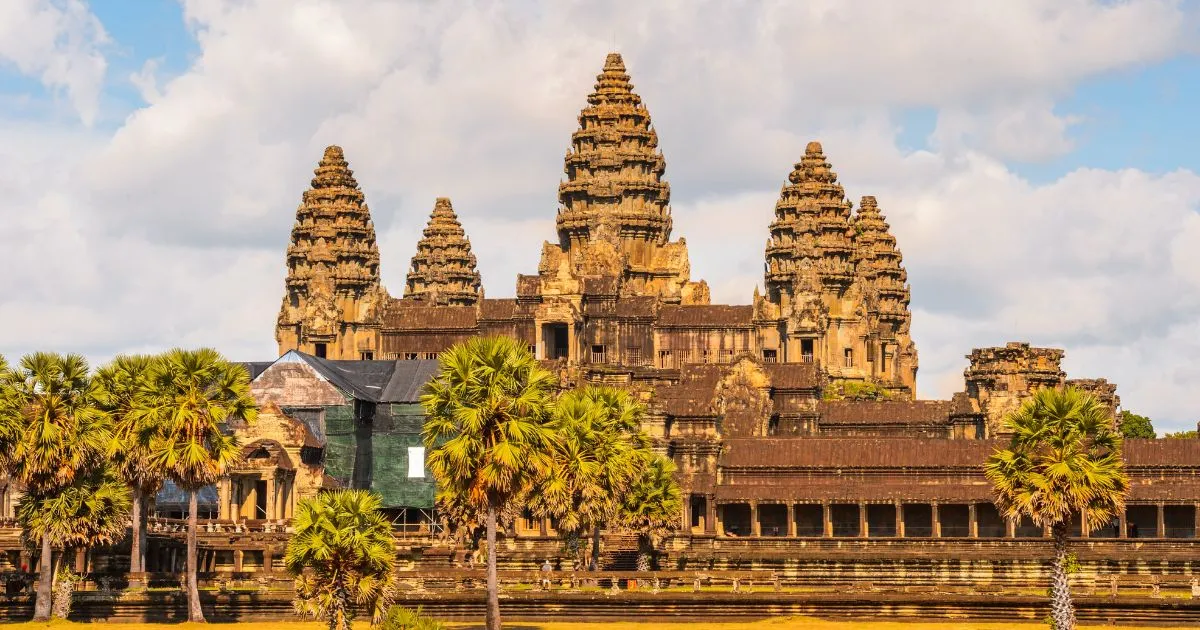
Angkor Wat is the largest religious building in the world and one of the most famous sites in Southeast Asia. Built in the 12th century by King Suryavarman II, it was originally dedicated as a Hindu temple for the god Vishnu, but later became a Buddhist temple.
This vast temple complex is the finest example of the Khmer Empire’s architectural genius. Angkor Wat is both a spiritual and historical masterpiece, featuring intricate carvings, massive stone structures, and a layout symbolizing Mount Meru.
Location of Angkor Wat
Angkor Wat is located in northwestern Cambodia, near the city of Siem Reap. It is part of the expansive Angkor Archaeological Park, which covers more than 400 square kilometers.
The Best Tours of Angkor Wat
Visitors can explore Angkor Wat in several ways:
- Guided tours with professional historians
- Photography tours at sunrise and sunset
- Private tuk-tuk tours
- Biking tours through temple routes
- Luxury guided tours
A knowledgeable guide can enhance your understanding of Khmer history and symbolism.
Map of Angkor Wat in Cambodia
The Angkor Archaeological Park is divided into several temple zones:
- Angkor Wat (main temple)
- Angkor Thom (ancient city)
- Small Circuit temples
- Grand Circuit temples
Maps are available at the entrance or via mobile apps to help you navigate the park.
Visiting the Angkor Wat Temples
Exploring Angkor Wat is like traveling back in time to a lost civilization. The temples are spread throughout dense jungle areas.
Things to See:
- Ancient carvings and bas-reliefs
- Massive temple gates
- Jungle-clad ruins
- Sacred ponds and courtyards
Hours of Entry
- Angkor Wat: 5:00 AM – 5:30 PM
- Other temples: 7:30 AM – 5:30 PM
- Sunrise visits require entry before 5:00 AM
Fees for Tickets and Entry
Angkor Pass Options:
- 1-day pass
- 3-day pass (most popular)
- 7-day pass (for extended exploration)
Tickets must be purchased at the official Angkor ticket center and are required for entry to all temples.
What to Wear at Angkor Wat
As a sacred site, visitors must dress modestly:
- Shoulders must be covered
- Knees must be covered
- Avoid revealing clothing
Respect for local customs is important.
Sunrise at Angkor Wat
Watching the sunrise at Angkor Wat is a must-do experience.
Tips:
- Arrive early for the best spot
- Head to the reflection pools
- Expect large crowds
- November to February is the best time
Small Circuit vs. Big Circuit
Small Circuit:
- Covers the main temples
- Ideal for first-time visitors
- Shorter route
Big Circuit:
- Includes lesser-known temples
- More relaxed exploration
- Great for photographers
Main Temples in the Small Circuit: Angkor Wat, Angkor Thom, Bayon Temple
Other Notable Temples: Ta Prohm, Preah Khan, Neak Pean, East Mebon, Ta Som, Banteay Srei, Beng Mealea, Koh Ker
Hotels Close to Angkor Wat
Most visitors stay in Siem Reap, which offers:
- Luxury resorts
- Boutique hotels
- Budget hostels
Popular Areas:
- Central Siem Reap (nightlife)
- Riverside (for quiet stays)
- Near Angkor Park (easy access)
Two-Day Plan:
- Day 1: Sunrise at Angkor Wat, Angkor Thom, Bayon Temple, Ta Prohm
- Day 2: Grand Circuit temples, Banteay Srei, sunset views
Three-Day Itinerary:
- Explore both circuits
- Visit secret temples
- Experience Siem Reap’s culture
Is Cambodia Safe?
Cambodia is generally safe for tourists.
Safety Tips:
- Stay hydrated
- Be cautious of scams
- Use reputable transportation
- Follow local regulations
Best Time to Visit Angkor Wat
- November to February: Cool, dry weather (peak season)
- March to May: Hotter, fewer crowds
- June to October: Rainy season, lush scenery, fewer tourists
Culture and Life Around Angkor Wat
The area is rich in Khmer culture:
- Traditional Apsara dance
- Street food and markets
- Buddhist customs
- Welcoming local communities
Things to Do in Angkor Wat
- Visit ancient temples
- Watch the sunrise and sunset
- Hire a guide
- Take photography tours
- Bike through temple trails
- Learn about Khmer history
- Visit local museums
Travel Tips for Angkor Wat
- Start early to beat the heat
- Bring sunscreen and water
- Wear comfortable shoes
- Follow temple rules
- Plan your routes in advance
Conclusion
Angkor Wat is more than just a temple—it’s a journey through history, spirituality, and magnificent architecture. Every corner of the former Khmer Empire holds a unique story, from sunrise views to jungle-covered ruins.
Whether you’re a history enthusiast, photographer, or adventurer, Angkor Wat is a once-in-a-lifetime experience that belongs on every travel bucket list.
FAQ
Q1.What is Angkor Wat known for?
Ans.It is renowned as the world’s largest religious monument and for its stunning Khmer architecture.
Q2.How many days do you need?
Ans.Two to three days is ideal.
Q3.Should you visit Angkor Wat?
Ans.Absolutely—it is one of the most remarkable historical sites in the world.
Q4.What should I wear?
Ans.Clothing that covers shoulders and knees.
Q5.Can you visit without a guide?
Ans.Yes, but guides provide deeper insight.