Tongariro Alpine Crossing Everything You Need to Know
The Tongariro Alpine Crossing is often hailed as one of the best one-day hikes in the world. Located on New Zealand’s North Island, this dramatic trek takes you through volcanic terrain, past emerald lakes, steaming vents, and ancient lava flows.
Tongariro offers a unique blend of breathtaking natural beauty and vibrant Maori culture, making it a must-visit for adventurers, nature lovers, and cultural explorers alike.
This guide covers everything you need to know: its location, cultural significance, what to expect, packing tips, travel logistics, the best time to visit, and camping options.
Where is Tongariro?
Tongariro National Park sits in the heart of New Zealand’s North Island and is recognized as a UNESCO World Heritage Site for its cultural and natural importance.
Key Location Facts:
- Region: Manawatū-Whanganui
- Closest Towns: Turangi, Ohakune, and National Park Village
- Driving Distance: About 4.5 hours from Auckland, 4 hours from Wellington
The park features three active volcanoes:
- Mount Tongariro
- Mount Ngauruhoe (famous as Mount Doom in The Lord of the Rings)
- Mount Ruapehu
The Alpine Crossing spans 19.4 km (12 miles) and takes most hikers 6–8 hours.
Culture and History
Tongariro is much more than a hiking destination—it’s a sacred site with deep spiritual significance to the Maori people.
Maori Connection
In 1887, Maori chief Te Heuheu Tukino IV gifted the mountain peaks to the people of New Zealand, creating the country’s first national park and ensuring the land would remain unowned.
For Maori, these mountains are ancestors—places of immense spiritual power, used in traditional ceremonies and protected as sacred land. Certain peaks should not be climbed out of respect for this heritage.
Dual World Heritage Status
Tongariro is renowned for both its cultural significance and its natural beauty—a rare combination that enriches every visit with both adventure and historical insight.
What to Expect on the Crossing
Prepare for a journey through awe-inspiring volcanic landscapes.
Trail Highlights
- Volcanic rock paths
- Steep climbs and crater crossings
- Alpine ridges and sulfur vents
This is a challenging day hike—excellent fitness is recommended.
Must-See Features
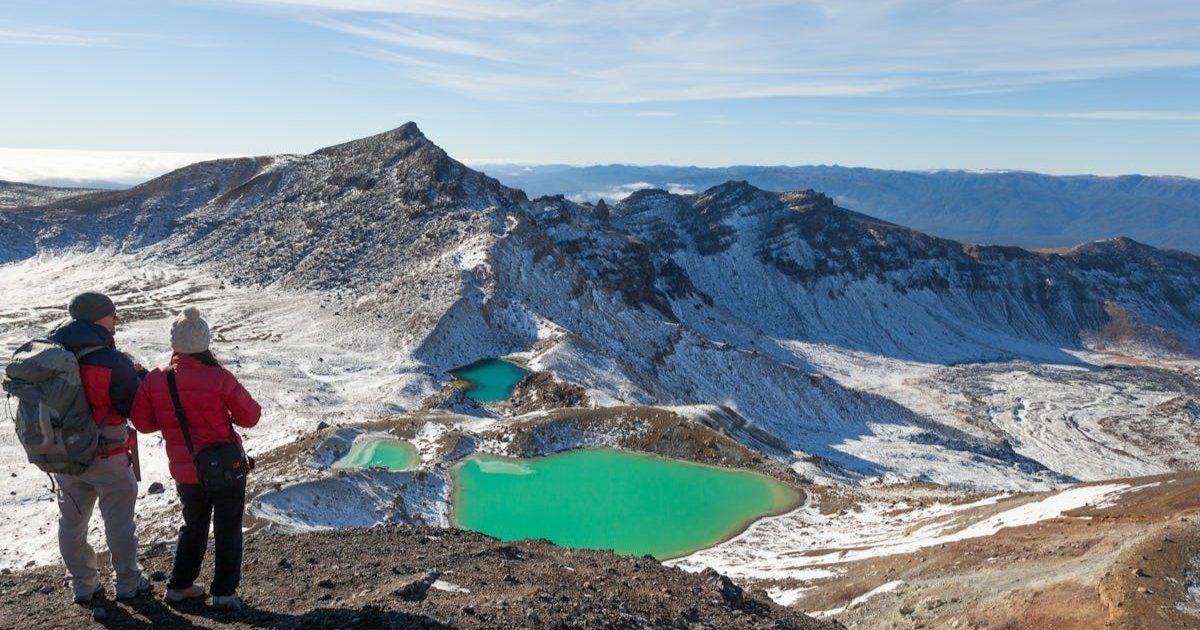
- Emerald Lakes: Iconic, mineral-rich green lakes that are among the most photographed sights in Tongariro.
- Red Crater: The highest point of the trail, offering incredible panoramic views.
- Mount Ngauruhoe: Instantly recognizable to fans of epic movie scenery.
- Blue Lake: A sacred site where swimming is prohibited, highlighting the area’s cultural importance.
Packing Essentials
Mountain weather is unpredictable, even in summer. Be well-prepared to maximize comfort and safety.
Must-Pack Items:
- Waterproof jacket
- Warm layers
- Grippy hiking boots
- Gloves and hat
- Sunscreen and sunglasses
- Minimum 2 liters of water
- High-energy snacks
- First-aid kit
- Offline map or GPS
Pro Tip: Avoid cotton clothing, which can chill you quickly if wet.
Getting There
Despite its remote feel, Tongariro is easy to access.
By Car
- From Auckland: 4–5 hours
- From Wellington: ~4 hours
Parking at the trailhead is limited, so most hikers opt for shuttle services.
Shuttle Services
Booking a round-trip shuttle is the most convenient option—no parking hassles, one-way hiking, and local safety updates.
Guided Tours
Ideal for those unfamiliar with the Alps or visiting from abroad, guided tours provide weather updates, safety support, and cultural context.
Best Time to Visit
Timing your hike can make all the difference.
- Summer (Dec–Feb): Warmest weather, longest days, but busiest trails.
- Autumn (Mar–May): Pleasant weather, fewer crowds.
- Winter (Jun–Sep): The trail becomes a snowy alpine trek—requires special gear (crampons, ice axes). Not recommended for novice hikers.
- Spring (Oct–Nov): Unpredictable weather, but vibrant scenery.
Top Recommendation: Late summer or early autumn offers the best balance of safety and enjoyment.
Camping Near Tongariro
Staying overnight enhances the experience and brings you closer to nature.
Popular Camping Spots:
- Mangatepopo Campground: Closest to the trail, basic facilities, superb stargazing
- Whakapapa Holiday Park: Powered sites, modern amenities, family-friendly
- DOC Campsites: Managed by the Department of Conservation—affordable and eco-friendly
Benefits of Camping:
- Budget-friendly
- Peaceful environment
- Early trail access
- Stunning sunrises
Tip: Reserve your spot early during peak season.
Safety Tips
Prioritize safety for a smooth and memorable trek.
- Check weather forecasts
- Tell someone your hiking plans
- Start early in the day
- Stick to marked trails
Respect the Environment
Tongariro’s delicate ecosystem needs protection. Follow Leave No Trace principles:
- Pack out all rubbish
- Don’t disturb wildlife
- Respect sacred sites
Responsible tourism ensures this landscape remains pristine for future generations.
Final Thoughts
The Tongariro Alpine Crossing is not just a hike—it’s a journey through one of the world’s most remarkable landscapes. From emerald lakes and steaming craters to sacred sites, every step is packed with wonder.
Whether you trek it in a day or camp under the stars, Tongariro promises adventure, beauty, and cultural depth. Put this iconic trek at the top of your New Zealand travel bucket list!
FAQs
Is the Tongariro Alpine Crossing suitable for beginners?
Yes, if you’re in excellent shape and well-prepared.
How long does the hike take?
Most complete it in 6 to 8 hours.
Do I need a permit?
No permit for the day hike, but camping requires a reservation.
Is the hike dangerous?
It can be if you’re unprepared or the weather changes suddenly.
Can I hike solo?
Yes, but it’s safer with company.
What makes Tongariro famous?
Its stunning volcanic scenery, rich Maori heritage, and world-class hiking reputation.