Top Historic Shrines and Temples in Japan
In Japan, ancient spirituality and contemporary living blend seamlessly. From serene mountain temples to bustling city shrines, Japan’s sacred sites offer visitors a captivating look into centuries-old customs, magnificent architecture, and a rich cultural legacy. Whether you’re seeking relaxation, cultural enrichment, photography opportunities, or spiritual reflection, visiting these traditional shrines and temples is a truly unforgettable experience.
Why Visit Japan’s Traditional Shrines and Temples?
Shrines and temples in Japan are more than just tourist attractions—they are living symbols of the nation’s culture. Shinto shrines honor kami (nature spirits), while Buddhist temples focus on meditation, enlightenment, and compassion. Many are over a thousand years old, offering a window into Japan’s past, and visitors often describe these sites as calming, inspiring, and culturally enriching.
Understanding Japan’s Spiritual Culture
Japan is unique in the peaceful coexistence of Shinto and Buddhism:
- Shrines: Marked by iconic torii gates, shrines signify entry into sacred space.
- Temples: Characterized by grand halls, incense burners, and Buddha statues.
When visiting, it’s customary to wash your hands, bow, and maintain quiet—simple acts that show respect and enhance your experience.
Key Regions for Famous Shrines and Temples
Kyoto: The Cultural Heart of Japan
Home to hundreds of temples and shrines, many of which are UNESCO World Heritage Sites.
Tokyo: Tradition in a Modern Metropolis
Japan’s capital offers a vibrant mix of ancient holy sites amidst the city’s energetic pace.
Nara: Ancient Temples and Friendly Deer
Known as Japan’s first permanent capital, Nara boasts historic temples and roaming deer.
Nikko: Ornate Shrines in the Forests
Surrounded by forested mountains, Nikko is famous for its elaborate shrine complexes.
Hiroshima & Miyajima: Spiritual Beauty and History
Both locations provide spiritual experiences and deep historical significance.
Top 10 Traditional Shrines and Temples to Visit
- Fushimi Inari Taisha (Kyoto)
- Famous for its thousands of red torii gates winding up Mount Inari.
- Features fox statues, believed to be messengers of the gods.
- Offers stunning sunrise and sunset views.
- Tip: Visit early for a peaceful hike.
- Kinkaku-ji (Golden Pavilion, Kyoto)
- Iconic golden temple reflecting in a mirror-like pond.
- Exemplifies Zen architecture and harmonious gardens.
- Beautiful year-round, especially in autumn and winter.
- Kiyomizu-dera (Kyoto)
- Hilltop temple with a massive wooden terrace—built without nails.
- Panoramic views of Kyoto, cherry blossoms in spring, and autumn foliage.
- Nearby streets filled with traditional shops and local treats.
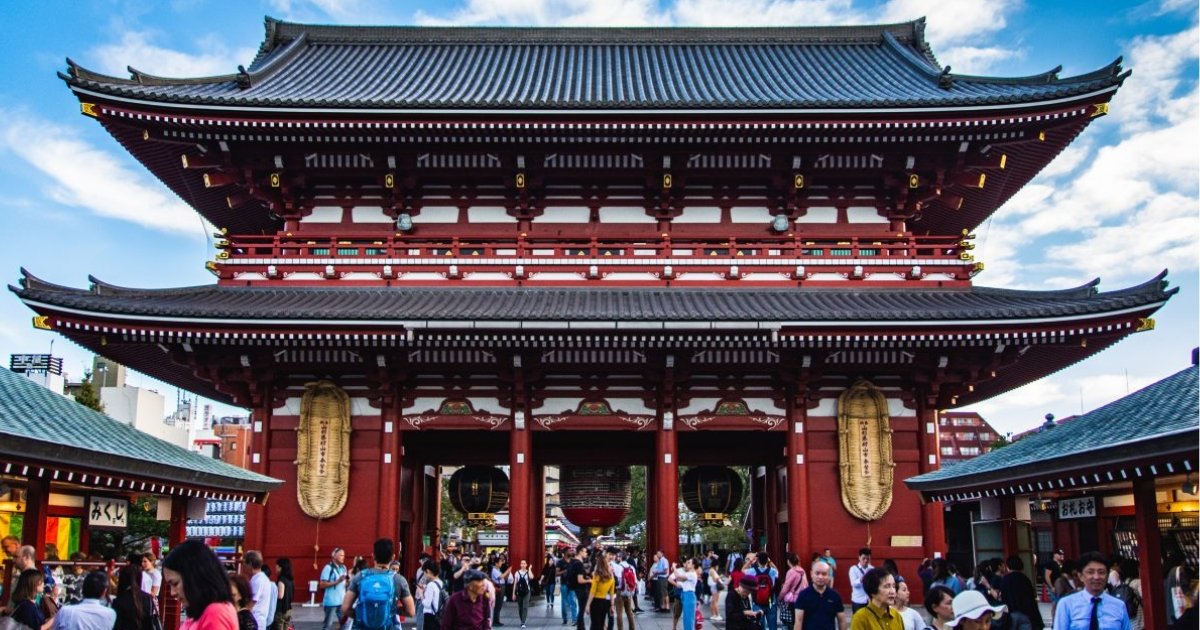
- Senso-ji (Tokyo)
- Tokyo’s oldest temple, located in historic Asakusa.
- Noted for the dramatic Kaminarimon (Thunder Gate) and lively Nakamise shopping street.
- Hosts vibrant festivals throughout the year.
- Meiji Shrine (Tokyo)
- Set in a tranquil forest of over 100,000 trees.
- Dedicated to Emperor Meiji and Empress Shoken.
- Features peaceful walking paths, Shinto weddings, and seasonal iris gardens.
- Todai-ji (Great Buddha Temple, Nara)
- Houses one of the world’s largest bronze Buddha statues in a massive wooden hall.
- Known for friendly, bowing deer and expansive temple grounds.
- Offers insights into early Japanese Buddhism.
- Itsukushima Shrine (Miyajima Island)
- Famous for its “floating” torii gate, especially at high tide.
- A must-see sunset spot, with ferries providing scenic views and nearby hiking trails.
- Tip: Visit at both high and low tide for different perspectives.
- Toshogu Shrine (Nikko)
- Renowned for elaborate carvings, gold accents, and vivid colors.
- Home to the “See no evil, speak no evil, hear no evil” monkey carvings.
- Surrounded by lush trees and intricate gates.
- Ryoan-ji (Kyoto)
- World-famous Zen rock garden designed for meditation.
- Noted for its minimalist design and philosophical symbolism.
- A tranquil spot for contemplation.
- Hase-dera (Kamakura)
- Less crowded, featuring gardens, coastal views, and a giant wooden statue of Kannon, the goddess of mercy.
- Ideal for peaceful walks and escaping tourist crowds.
When Is the Best Time to Visit?
- Spring (March-May): Cherry blossoms create a dreamy atmosphere.
- Autumn (September-November): Temples are surrounded by vibrant fall colors.
- Winter: Snow-dusted temples offer magical photo opportunities.
- Early Summer: Lush greenery and fewer tourists.
- Tip: Mornings are generally the most tranquil time to visit.
Essential Etiquette for Visiting Sacred Sites
Respect is fundamental in Japanese culture. Remember to:
- Bow lightly before entering shrine gates.
- Purify your hands at the fountains.
- Speak softly.
- Respect restricted areas.
- Dress modestly.
Adhering to these customs shows cultural awareness and respect.
Practical Tips for Visiting Shrines and Temples
- Consider a rail pass for easy intercity travel.
- Stay near cultural districts for convenience.
- Mix popular and lesser-known sites for a balanced trip.
- Bring cash for entrance fees.
- Try to visit on weekdays for fewer crowds.
- Plan ahead for a smoother journey.
Why Are These Sites Important to Japan’s Heritage?
Japan’s traditional shrines and temples continue to serve as places of worship, community gatherings, and festival venues. They represent:
- Architectural mastery
- Spiritual devotion
- Historical continuity
- Cultural pride
For many, visiting these sites forms the emotional core of their trip to Japan.
Conclusion
Exploring Japan’s traditional shrines and temples isn’t just sightseeing—it’s a journey into the nation’s heart and soul. Each site, from Kyoto’s golden pavilions to Tokyo’s tranquil forests and Nara’s monumental temples, tells a story of faith, art, and resilience.
For history lovers, spiritual seekers, or anyone yearning for beauty and meaning, Japan’s sacred sites offer moments of awe, reflection, and inspiration. Make sure these timeless shrines and temples top your itinerary for a truly enriching travel experience.
FAQS
Which city has the most temples?
Shrines are for Shinto worship; temples are for Buddhism. Each has distinct rituals and architecture.
What’s the difference between a shrine and a temple?
Kyoto is renowned for its concentration of historic temples and shrines.
Are there admission fees?
Many shrines are free, while some temples charge a small fee for maintenance.
How many sites should I visit per day?
Aim for two to three sites daily to avoid rushing.
Are tourists welcome at these sites?
Yes, as long as you observe proper etiquette.